Baptisia tinctoria
Wild Indigo
Baptisia tinctoria is suited for patients presenting with acute, systemic inflammatory or infectious conditions, primarily affecting the mental state, gastrointestinal system, respiratory tract, and systemic vitality, marked by high fever, delirium, offensive discharges, and profound prostration. Neurological/psychological symptoms include mental confusion, delirium, or a sense of dissociation, resembling acute confusional states or encephalopathy, often with a sensation of being “scattered” or “body parts separated,” worse during fever or heat. Gastrointestinal symptoms involve diarrhea, nausea, or vomiting, often with offensive, foul-smelling stools, resembling bacterial gastroenteritis or dysentery, worse with heat or motion. Respiratory symptoms include sore throat, tonsillitis, or difficulty swallowing, often with a dusky, inflamed appearance, resembling streptococcal pharyngitis or diphtheria-like states, worse in humid conditions. Systemic symptoms feature high fever, chills, and extreme weakness, resembling sepsis or influenza, with a marked sensitivity to heat and humidity. Musculoskeletal symptoms include aching, bruised pains, as if “beaten,” worse with motion or pressure. The remedy is highly relevant for acute, toxic, or septic conditions with a strong inflammatory component, commonly observed in individuals with rapid-onset infections, systemic overwhelm, or post-infectious fatigue.
Clinical Insights
- For example, the diarrhoea of typhoid fever in which the stools smell awfully putrid will best respond to Baptisia.
- Baptisia is very useful in the infectious conditions of the throat.
Keynotes
- Offensive, foul-smelling diarrhea, often watery or bloody, resembling bacterial gastroenteritis, dysentery, or viral enteritis, worse with heat, humidity, or rich foods.
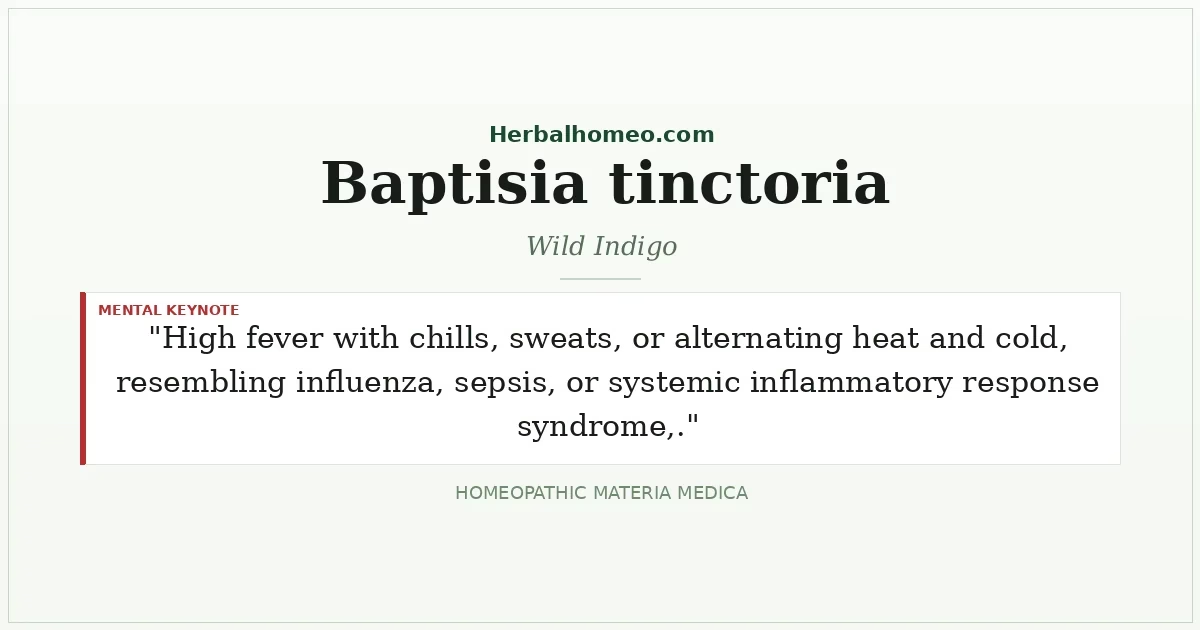
- High fever with chills, sweats, or alternating heat and cold, resembling influenza, sepsis, or systemic inflammatory response syndrome, worse in heat or humidity.
- Dusky, flushed, or livid skin during fever, often with a hot, dry, or clammy texture, resembling septic or toxic states, worse with heat or exertion.
Modalities
Worse: Heat (air, rooms, drinks), humidity, motion, pressure, warm stuffy environments, night, rich foods, mental exertion, smells.
Better: Cool air, open spaces, rest, lying down, cool drinks (small sips), solitude, dry environments, gentle fanning.
Symptoms
Digestion
- Offensive, foul-smelling diarrhea, often watery or bloody, resembling bacterial gastroenteritis, dysentery, or viral enteritis, worse with heat, humidity, or rich foods.
- Nausea or vomiting, with aversion to food or drink, often with a sensation of sinking or emptiness in the stomach, aggravated by motion or smells.
- Abdominal pain or distension, often with gurgling or soreness, worse with pressure or eating, resembling irritable bowel syndrome in subacute cases.
Skin
- Dusky, flushed, or livid skin during fever, often with a hot, dry, or clammy texture, resembling septic or toxic states, worse with heat or exertion.
- Burning or itching eruptions, often transient, resembling urticaria or allergic dermatitis, worse with warmth or scratching.
- Offensive perspiration, particularly during fever or night, with a sour or fetid odor, aggravated by warm environments.
Generalities
- High fever with chills, sweats, or alternating heat and cold, resembling influenza, sepsis, or systemic inflammatory response syndrome, worse in heat or humidity.
- Profound prostration or weakness, with a sensation of sinking vitality, resembling post-infectious fatigue or septic shock, worse with motion or exertion.
- Aching, bruised pains in muscles or joints, as if “beaten,” resembling myalgia or post-viral arthralgia, worse with pressure or heat.
Generalities – Children
- Common in children with acute febrile illnesses, such as influenza, tonsillitis, or gastroenteritis, often with confusion, sore throat, or offensive diarrhea, worse in heat or humidity.
- May present with lethargy, irritability, or difficulty communicating due to mental fog, particularly during high fever or infection.
- Children often exhibit rapid onset of symptoms, with a need for cool air and rest, and require careful monitoring for dehydration or sepsis.
Potency and Dosage
Mother Tincture or usually 30, 200, 1000 or CM, depending upon the situation and the experience of the homoeopath.
Combinations
- The patient of Arnica sometimes presents with the offensive breath and sweat, smelling like that of Baptisia.
- In cases of uterine sepsis and infections of other parts of the body associated with putrefaction, Baptisia is very useful, but the best remedy would still be Sulphur 200 and Pyrogenium 200 given together.
- Until the fever subsides completely i.e. no fever in the morning and evening, Typhodinum and Pyrogenium should be administered three times a day and Baptisia 30 five to six times a day. 2.
- After the fever has subsided, Pyrogenium and Typhoidinum should be administered once a day and Baptisia 30 three times a day, for at least one week. 3.
Related
Arsenicum album | Gelsemium sempervirens | Rhus toxicodendron | Natural Liver Health: Herbal Remedies for Cleansing and Support | Stomach Disorders and Homeopathy
This article is for educational purposes only and not a substitute for professional medical advice. Prepared by herbalhomeo.com/ Team
This article is for educational purposes only and not a substitute for professional medical advice.