Bipolar Disorder: Symptoms, Causes & Holistic Treatment Approaches
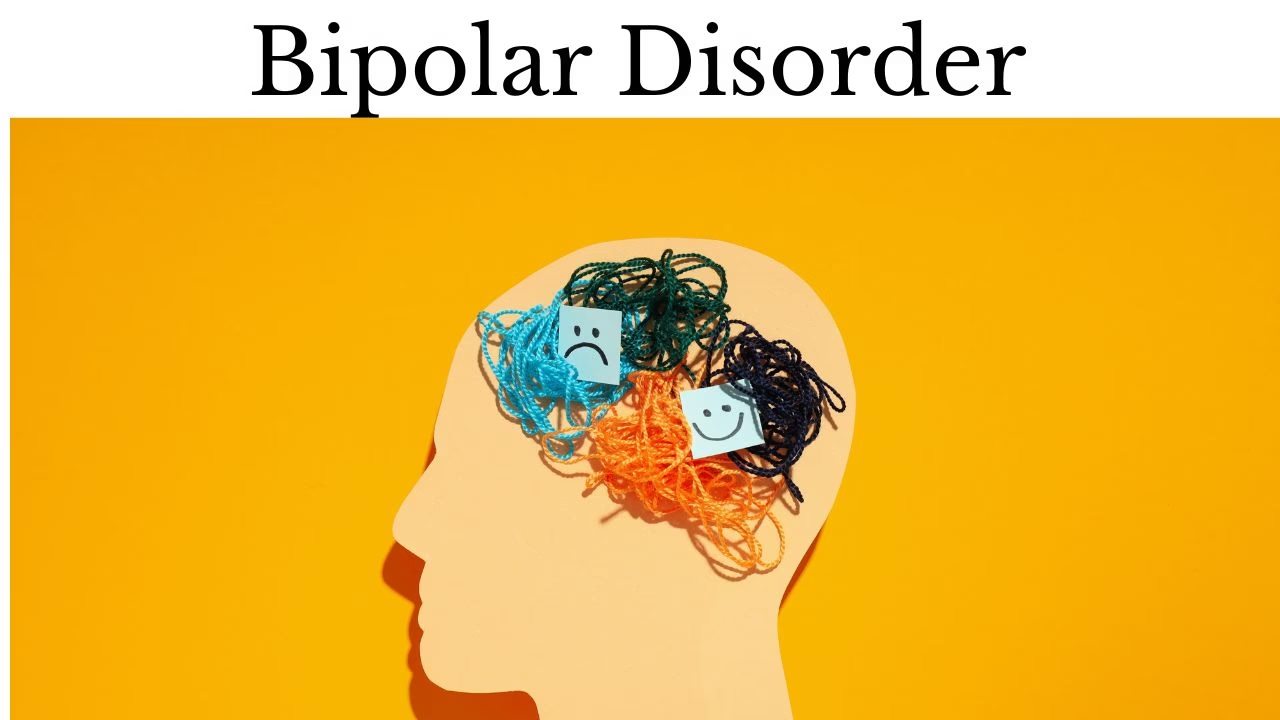
Bipolar Disorder, previously known as manic depression, is a mental health condition characterized by extreme mood swings. These include emotional highs (mania or hypomania) and lows (depression). This comprehensive guide explores its types, modern treatments, and supportive homeopathic and herbal perspectives for balanced living.
Homeopathy approaches health conditions in an individualized way. You can explore homeopathic treatment by disease to understand how different conditions are managed naturally.
2. Types and Key Symptoms
Type of Episode Primary Symptoms & Characteristics Manic Episode Abnormally upbeat, jumpy or wired; increased energy/activity; exaggerated self-confidence; decreased need for sleep; rapid talking; racing thoughts; distractibility; poor decision-making (sprees, risky investments). Hypomanic Episode Similar to mania but less severe. Does not cause major problems in daily functioning. Often precedes or follows a major depressive episode. Major Depressive Episode Deep sadness, hopelessness; loss of interest in all activities; significant weight loss/gain; insomnia or oversleeping; fatigue; feelings of worthlessness; difficulty concentrating; thoughts of death/suicide. Main Types of Bipolar Disorder:
- Bipolar I Disorder: Defined by manic episodes lasting at least 7 days, often requiring hospital care. Depressive episodes also occur.
- Bipolar II Disorder: Pattern of depressive and hypomanic episodes, but no full manic episodes.
- Cyclothymic Disorder: Periods of hypomanic and depressive symptoms lasting for at least 2 years (1 year in children), but not meeting full episode criteria.
3. Causes and Risk Factors
The exact cause is unknown but is linked to a combination of:
- Biological Differences: Physical changes in the brain.
- Genetics: More common in individuals with a first-degree relative (parent/sibling) with the condition.
- Neurotransmitter Imbalance: An imbalance in brain chemicals like noradrenaline, serotonin, and dopamine.
4. Modern Medical Diagnosis & Treatment
Diagnosis: Involves a psychiatric assessment, physical exam, and mood charting. No single test can diagnose it.
Treatment is lifelong and focuses on symptom control:
- Medications: Mood stabilizers (Lithium, Valproate), Antipsychotics (Olanzapine), Antidepressants.
- Psychotherapy: Cognitive Behavioral Therapy (CBT), Psychoeducation, Family Therapy.
- Lifestyle & Self-Management: Regular routine, sleep hygiene, identifying episode triggers.
5. Homeopathic Approach & Remedies
Homeopathy treats the individual, not just the disease. A qualified homeopath selects remedies based on the person’s unique emotional, mental, and physical symptom picture during both manic and depressive phases.
Potential Homeopathic Remedies (Must be prescribed by a professional):
- Aurum Metallicum: For severe depression with feelings of worthlessness and suicidal thoughts, often seen in high-achievers.
- Natrum Muriaticum: For depression stemming from grief, where the person isolates themselves but is deeply sensitive.
- Lilium Tigrinum: For irritability, restlessness, and a compulsive need to stay busy during manic phases.
- Cimicifuga: For depression with intense mental gloom, aching, and a feeling of a “black cloud” over the mind.
6. Herbal and Lifestyle Support
- Omega-3 Fatty Acids: Found in fish oil, may help support brain health and mood stability.
- Mindfulness & Meditation: Proven to reduce stress and improve emotional regulation.
- Regular Sleep Schedule: The single most crucial lifestyle factor for managing bipolar disorder.
- Caution: St. John’s Wort (a herb for depression) can trigger mania and interact with medications. Never use without consulting your doctor.
7. Living with Bipolar: Tips for Patients and Families
- Educate Yourself: Understanding the illness is the first step to management.
- Build a Support Network: Connect with therapists, support groups, and understanding family/friends.
- Monitor Mood: Keep a daily journal to track mood, sleep, and triggers.
- Develop a Crisis Plan: Know what to do and who to call when symptoms escalate.
8. Important Medical Disclaimer
This article is for informational purposes only. It is not a substitute for professional medical advice, diagnosis, or treatment. Bipolar Disorder is a serious condition that requires management under a qualified psychiatrist. Always seek the advice of your physician or qualified mental health provider with any questions. Do not disregard professional advice or delay seeking it because of information read here. Homeopathic and herbal approaches should only be used as complementary support under the guidance of professionals and with the knowledge of your primary doctor.
- What is Bipolar Disorder?
This article is for educational purposes only and not a substitute for professional medical advice.