The Common Cold: Symptoms, Causes, Remedies, and Natural Solutions
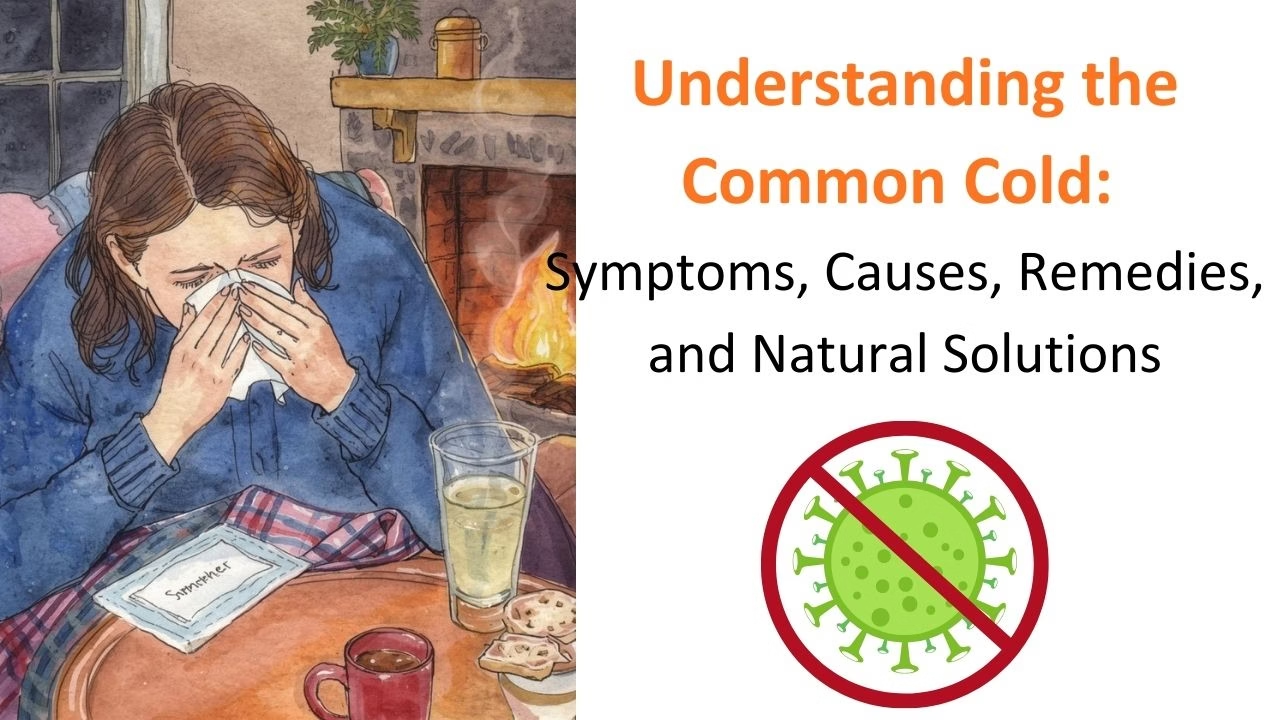
The common cold is one of the most frequent illnesses people experience, especially during the colder months. Whether it’s the occasional sniffle or a full-blown nasal congestion, most people are familiar with the discomfort it brings. But what exactly is the common cold, and how can you manage it naturally? In this post, we’ll dive into the causes, symptoms, and effective remedies for the common cold, including homeopathic, herbal, and home remedies to help you stay informed and find relief.
What Is the Common Cold?
The common cold, known in Spanish as catarrh or refried, is a viral infection that primarily affects the upper respiratory tract, including the nose and throat. It is one of the most widespread diseases across the globe, especially during colder weather when people tend to stay indoors, making it easier for the virus to spread.
Symptoms of the Common Cold:
The symptoms of a common cold can vary from person to person, but here are the most typical signs to watch out for:
- Runny or stuffy nose: This is perhaps the most common symptom, caused by inflammation in the nasal passages.
- Sneezing: An inevitable result of your body trying to expel the virus.
- Sore throat: Often occurs in the early stages of the cold.
- Coughing: A dry or productive cough may develop as the infection progresses.
- Mild body aches: Some people experience general discomfort or aches.
- Fatigue: Feeling tired or worn out is common when the body is fighting off an infection.
- Low-grade fever: Although rare, a mild fever can sometimes accompany a cold, especially in children.
Symptoms typically begin 1–3 days after exposure to the virus and can last for about a week to 10 days. In some cases, a cough may persist for longer, even after other symptoms have subsided.
What Causes the Common Cold?
The common cold is caused by several viruses, but rhinoviruses are the most common culprit, responsible for up to 50% of cold cases. These viruses are highly contagious and are primarily spread through:
- Direct contact with infected people or surfaces: The cold virus can survive on surfaces for many hours. If someone infected with the virus touches a surface or shakes hands, they can transfer the virus to others.
- Airborne droplets: When a person with a cold coughs or sneezes, tiny droplets containing the virus can be inhaled by others nearby, leading to the spread of infection.
- Proximity to infected individuals: Being in crowded places, especially during flu season, increases your chances of catching a cold.
While the cold can occur year-round, it is most common during the fall and winter months, when people tend to stay indoors more often, making it easier for the virus to spread.
How to Treat the Common Cold:
While there is no cure for the common cold, several remedies can help alleviate the symptoms and make you feel more comfortable. Here are some treatments you can try:
Homeopathic Remedies for the Common Cold:
Homeopathy offers a variety of remedies for the common cold, each targeted at specific symptoms and constitution types. Here are a few commonly used homeopathic remedies:
- Allium cepa (Onion) – This remedy is typically recommended for colds with a runny nose that causes irritation of the eyes and sneezing. It works best when the cold has watery nasal discharge and burning sensations.
- Arsenicum album – Suitable for colds with a lot of thin, watery discharge from the nose, especially when accompanied by a burning sensation. It can also help with exhaustion and a restless feeling.
- Euphrasia officinalis (Eyebright) – Commonly used when a cold causes irritation and a burning sensation in the eyes, along with nasal congestion and a watery discharge.
- Nux vomica – Often used when the cold symptoms are accompanied by irritability, headache, and congestion. It’s also helpful for colds that occur due to exposure to cold or damp conditions.
- Pulsatilla – Recommended for colds that are accompanied by thick yellow or green mucus, especially when the person feels better in open air and worse in warm, stuffy rooms.
- Gelsemium – Often recommended for colds with extreme fatigue, muscle weakness, and chills. This remedy is useful when the person feels a heavy, droopy sensation.
If you’re interested in homeopathy, visit our homeopathic remedies guide
While homeopathic remedies are widely used, it is important to consult a trained homeopath to determine the most suitable remedy for your specific symptoms and constitution.
Herbal Remedies for the Common Cold:
Herbal remedies have been used for centuries to support the body in fighting off colds. Many herbs have natural antiviral and immune-boosting properties that can help reduce the severity and duration of cold symptoms.
- Echinacea – Known for its ability to boost the immune system, echinacea can help reduce the symptoms of the common cold and potentially shorten its duration.
- Elderberry – Elderberry extract has antiviral properties and can help reduce the severity and duration of colds by fighting the virus directly.
- Ginger – Fresh ginger root can help with a sore throat and nausea. It is also believed to have anti-inflammatory properties that support the immune system.
- Peppermint – The menthol in peppermint can help clear up nasal congestion and soothe sore throats. Drinking peppermint tea or inhaling peppermint steam can be effective.
- Chamomile – Known for its calming effects, chamomile can help relieve a sore throat and promote restful sleep, which is essential for recovery.
- Thyme – Thyme has antimicrobial properties and can be used to make a tea that helps soothe a cough and reduce congestion.
Home Remedies for the Common Cold:
If you’re looking for simple, at-home solutions, here are some easy remedies that may offer relief:
- Steam inhalation: Breathing in steam from a bowl of hot water can help clear nasal passages and ease congestion. You can also add a few drops of eucalyptus or peppermint oil for added relief.
- Saltwater gargle: Gargling with warm saltwater can soothe a sore throat and reduce inflammation. Mix one teaspoon of salt in a glass of warm water and gargle several times a day.
- Honey and lemon tea: Honey has natural antibacterial properties, while lemon is rich in vitamin C. A warm tea made with honey and lemon can soothe a sore throat and help ease congestion.
- Rest and hydration: Resting your body and drinking plenty of fluids are the best ways to support your immune system in fighting the cold. Drink water, herbal teas, and broths to stay hydrated and help your body recover.
- Warm compresses: Placing a warm compress on your forehead or sinuses can help relieve sinus pressure and congestion.
For more information on herbal treatments, read our guide on herbal remedies for common ailments.
Prevention Tips for the Common Cold:
While it’s not always possible to avoid catching a cold, there are steps you can take to reduce your chances:
- Wash your hands regularly with soap and water for at least 20 seconds.
- Avoid touching your face, especially your eyes, nose, and mouth.
- Stay away from people who are sick to prevent direct exposure to the virus.
- Boost your immune system with a healthy diet rich in vitamins and minerals, regular exercise, and adequate sleep.
When to See a Doctor:
In most cases, the common cold resolves on its own with rest and self-care. However, there are times when you should consult a healthcare provider:
- If symptoms worsen or persist for more than 10 days.
- If you experience difficulty breathing, a high fever, or chest pain.
- If you notice severe sinus pain or an earache.
- If a child under three months of age shows symptoms of a cold, especially if accompanied by a fever.
These could be signs of a more serious condition that requires medical attention.
Conclusion:
The common cold, though unpleasant, is a minor illness that usually resolves with time and self-care. By understanding its symptoms, causes, and treatments, you can feel more prepared the next time you or a loved one catches a cold. Remember to take preventive measures to reduce your risk, and consult with a healthcare provider if needed. Stay warm, hydrated, and take care of your body – your immune system will thank you!
Disclaimer:
This post is for informational purposes only and is not a substitute for professional medical advice, diagnosis, or treatment. Always seek the advice of your doctor or other qualified health provider with any questions you may have regarding a medical condition. Herbal and home remedies should be used with caution, and it’s essential to consult with a healthcare provider before using them, especially if you have pre-existing health conditions or are taking other medications. Homeopathic remedies should be used under the guidance of a licensed homeopath or healthcare provider. If you experience severe symptoms or complications, it is important to seek medical attention promptly.
- But what exactly is the common cold, and how can you manage it naturally?
- What Is the Common Cold?
- What Causes the Common Cold?
This article is for educational purposes only and not a substitute for professional medical advice.