Dandruff: Homeopathic Treatment & Natural Relief
Dandruff is a widespread scalp complaint marked by flaking dead epidermal cells accompanied by itching, dryness, or excess oiliness. While physiological skin renewal occurs continuously across the body, dandruff develops when epidermal turnover on the scalp accelerates significantly. Instead of shedding imperceptibly, cells clump together with sebum, forming visible white🌿 WhiteMateria Medica Clinical Profile: Click to explore Boericke keynotes, symptoms, modalities, and dosage guidelines. or yellowish scales that settle on hair strands and clothing.
This condition affects nearly half of adults globally, often beginning during adolescence and recurring through adulthood. For many people, conventional anti-dandruff shampoos provide only short-lived respite, with flaking returning as soon as application stops. ComplementaryAssisting or completing remedyA remedy that naturally follows and completes the action of another remedy, helping it work better. care, including individualized homeopathy and gentle herbal measures, aims to address underlying constitutional and physiological factors contributing to persistent scalp irritation.
Common Causes and Symptoms of Scalp Flaking
A balanced scalp maintains a healthy balance of natural oils, microflora, and cellular turnover. When this equilibrium shifts, noticeable flaking follows. Key factors include:
- Malassezia Proliferation: Malassezia globosa is a lipophilic yeast naturally residing on the scalp. It metabolizes sebum triglycerides into oleic acid, which penetrates the skin barrier and triggers inflammation in sensitive individuals.
- Seborrheic Dermatitis🩺 Seborrheic DermatitisClinical Disease Treatment Profile: Read homeopathic remedies, dietary recommendations, and natural therapeutic options.: A more intense inflammatory form presenting with greasy, yellowish flakes, persistent redness, and irritation, often affecting the eyebrows, nasolabial folds, and hairline.
- Dry Scalp vs. Oily Dandruff: A dry scalp yields small, powdery, non-greasy white flakes associated with general skin dryness, whereas true dandruff stems from active sebaceous glands and microbial activity.
- Chemical Sensitivity: Aggressive detergents, sulfates, synthetic styling products, and hard water🌿 WaterMateria Medica Clinical Profile: Click to explore Boericke keynotes, symptoms, modalities, and dosage guidelines. strip essential lipids, leading to reactive flaking.
- Internal and Dietary Factors: Stress, hormonal shifts, nutritional gaps, and digestive imbalance frequently influence skin health. Supporting systemic digestion through natural remedies and gut health balance often aids overall skin wellness.
Because chronic scalp inflammation can stress the hair roots over time, ongoing scratching may contribute to temporary shedding. Those noticing shedding alongside flakes can review our guide on natural remedies for hair fall and thinning.
Typical symptoms include visible white or yellowish flakes, scalp itching that worsens with warmth or perspiration, tightness across the crown, mild redness, and root tenderness when styling.
Homeopathic Remedies for Dandruff: Individualized Symptom Pictures
In classical homeopathy, remedy selection focuses on the individual rather than the disease label alone. Practitioners analyze the texture of the flakes, thermal modalitiesFactors that make symptoms better or worseEnvironmental influences (like temperature, weather, rest, motion, or time of day) that modify symptoms., skin sensitivity, and constitutional traits. Below are seven key remedies commonly considered for scalp flaking:
1. Sulphur
Sulphur is indicated for severe scalp itching accompanied by heat and burning discomfort. Symptoms typically intensify in warm beds, in heated rooms, or after washing. Scratching provides brief relief followed by stinging. The scalp may alternate between dry, powdery flaking and greasy irritation with an offensive odor. Individuals who respond well to Sulphur tend to feel warm-blooded and crave fresh, cool air.
2. Kali🌿 KaliMateria Medica Clinical Profile: Click to explore Boericke keynotes, symptoms, modalities, and dosage guidelines. Sulphuricum🌿 SulphuricumMateria Medica Clinical Profile: Click to explore Boericke keynotes, symptoms, modalities, and dosage guidelines.
Kali Sulphuricum is suited for seborrheic dandruff characterized by prominent yellow🌿 YellowMateria Medica Clinical Profile: Click to explore Boericke keynotes, symptoms, modalities, and dosage guidelines., oily, sticky scales that cling firmly to the scalp. The scalp feels moist and greasy, with intense itching that worsens in warm environments and improves in cool, open air. It is often considered when scalp flaking occurs alongside yellow nasal discharges or an oily facial complexion.
3. Graphites
Graphites matches cases with thick, crusty scales and sticky moisture. It is particularly valuable when the eruption involves the hairline, behind the ears, and the nape of the neck. Disturbing the crusts produces a thick, honey-like, sticky fluid. The scalp feels rough, dry, and fissured beneath the crusts. Graphites also plays an important role in broader dermatological care, as detailed in our guide to homeopathic care for eczemaItchy, inflamed skin conditionAn inflammatory skin rash causing dry, red, itchy, and sometimes cracking or blistered skin patches. and psoriasis🩺 PsoriasisClinical Disease Treatment Profile: Read homeopathic remedies, dietary recommendations, and natural therapeutic options..
4. Natrum🌿 NatrumMateria Medica Clinical Profile: Click to explore Boericke keynotes, symptoms, modalities, and dosage guidelines. Muriaticum🌿 MuriaticumMateria Medica Clinical Profile: Click to explore Boericke keynotes, symptoms, modalities, and dosage guidelines.
Natrum Muriaticum is helpful when flaking is concentrated along the hairline and forehead margin. The scalp often feels greasy, while the hair shafts remain dry or brittle. Flakes may be white or slightly oily, and episodes frequently worsen during periods of emotional stress, grief, or fatigue. Heat and direct sunlight tend to aggravate symptoms.
5. Arsenicum🌿 ArsenicumMateria Medica Clinical Profile: Click to explore Boericke keynotes, symptoms, modalities, and dosage guidelines. Album
Arsenicum Album corresponds to fine, white, flour-like dandruff accompanied by intense itching and burning. A hallmark modality is that the burning sensation is eased by warm wraps or warm applications, and aggravated by cold drafts or cold water. The scalp feels dry, tight, and sensitive to touch, often accompanied by general restlessness.
6. Mezereum
Mezereum is considered for stubborn, severe crusting where thick, leathery deposits form on the scalp. Beneath these plates, chalky or purulent moisture may accumulate, causing hair strands to mat together. The itching is intense and crawling in sensation, worsening at night from bed warmth.
7. Thuja🌿 ThujaMateria Medica Clinical Profile: Click to explore Boericke keynotes, symptoms, modalities, and dosage guidelines. Occidentalis
Thuja Occidentalis is suited for abundant, dry, white dandruff that flakes off copiously onto clothing during brushing. The hair often appears dull, dry, and prone to splitting, with noticeable sensitivity at the hair roots as though they were being pulled. It is frequently explored when scalp irritation follows extensive cosmetic or chemical treatments.
In homeopathy, remedy selection and dosage are determined by a licensed practitioner after a comprehensive consultation. Self-treatment without evaluating the full constitutional picture may produce incomplete results. A qualified homeopath evaluates individual modalities, family background, and lifestyle to tailor an appropriate care plan.🌿 Plan.Materia Medica Clinical Profile: Click to explore Boericke keynotes, symptoms, modalities, and dosage guidelines.
Supportive Herbal, Diet, and Lifestyle Measures
Complementary natural habits nurture the scalp environment and encourage balanced cellular turnover:
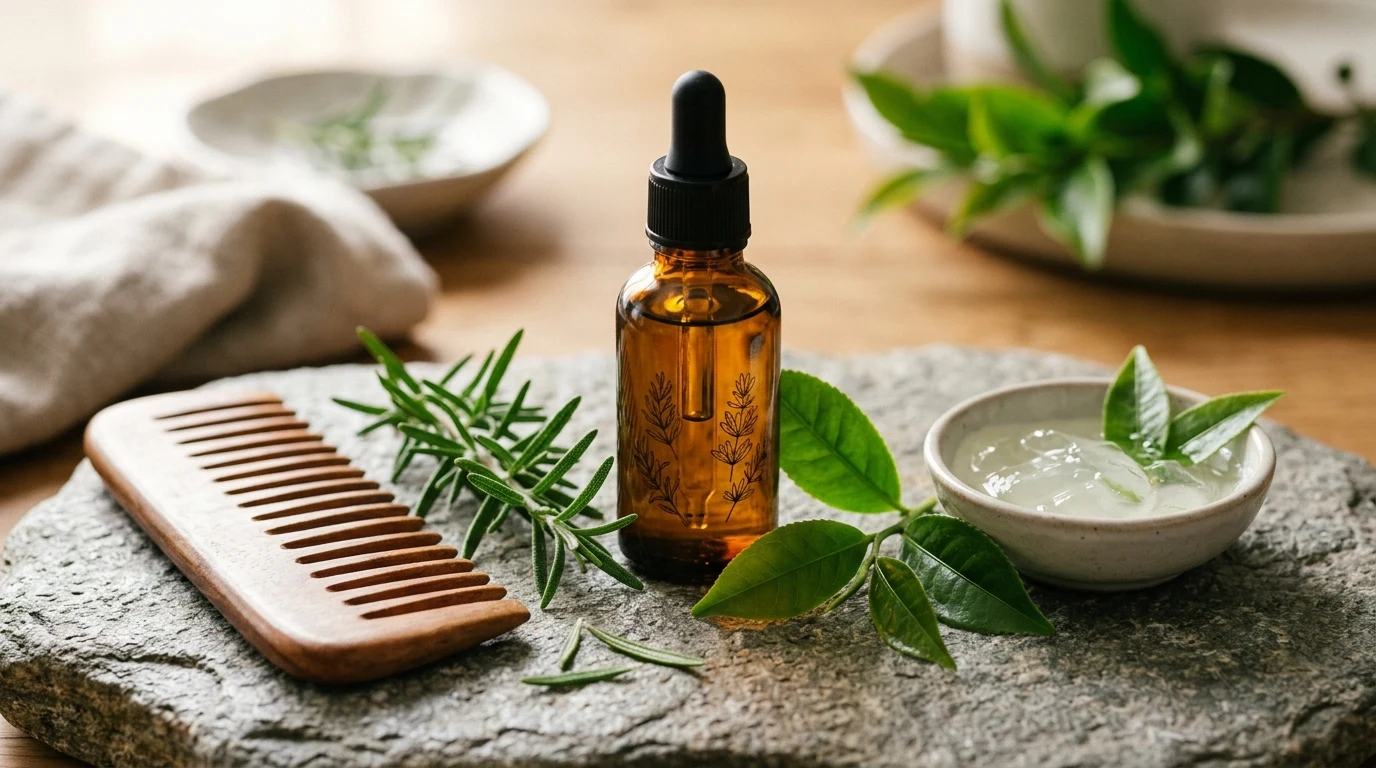
- Diluted Tea Tree🌿 Tea treeMateria Medica Clinical Profile: Click to explore Boericke keynotes, symptoms, modalities, and dosage guidelines. Oil: Known for gentle antimicrobial properties, 2 to 3 drops of tea🌿 TeaMateria Medica Clinical Profile: Click to explore Boericke keynotes, symptoms, modalities, and dosage guidelines. tree essential oil blended into a gentle carrier such as jojoba oil can be applied 20 minutes before washing to soothe microflora. Never apply undiluted essential oils directly.
- Rosemary🌿 RosemaryMateria Medica Clinical Profile: Click to explore Boericke keynotes, symptoms, modalities, and dosage guidelines. Rinse: A cooled infusion of steeped rosemary leaves helps tone scalp tissue, reduce itching, and refresh the roots without heavy buildup.
- Pure Aloe Vera🌿 Aloe VeraMateria Medica Clinical Profile: Click to explore Boericke keynotes, symptoms, modalities, and dosage guidelines.: Fresh aloe🌿 AloeMateria Medica Clinical Profile: Click to explore Boericke keynotes, symptoms, modalities, and dosage guidelines. vera gel provides instant soothing hydration to dry, inflamed scalp areas, easing tautness and heat.🌿 Heat.Materia Medica Clinical Profile: Click to explore Boericke keynotes, symptoms, modalities, and dosage guidelines.
- Dietary Omega-3s and Zinc🌿 ZincMateria Medica Clinical Profile: Click to explore Boericke keynotes, symptoms, modalities, and dosage guidelines.: Flaxseeds, walnuts, chia🌿 ChiaMateria Medica Clinical Profile: Click to explore Boericke keynotes, symptoms, modalities, and dosage guidelines. seeds, and pumpkin🌿 PumpkinMateria Medica Clinical Profile: Click to explore Boericke keynotes, symptoms, modalities, and dosage guidelines. seeds supply vital fatty acids and zinc necessary for skin barrier repair and sebum regulation.
- Gentle Washing Habits: Use lukewarm water rather than steaming hot showers, choose pH-balanced sulfate-free cleansers, and use a wide-tooth wooden comb to minimize mechanical irritation.
When to See a Doctor
While standard dandruff is manageable with conservative care, certain red-flag symptoms require urgent conventional medical evaluation. Consult a doctor or dermatologist promptly if you observe:
- Rapidly spreading redness, severe swelling, or warmth expanding beyond the scalp onto the face or neck
- Crusts oozing yellow or cloudy pus, suggesting a secondary bacterial infection
- Sudden, circular, or patchy hair loss
- Enlarged, tender lymph nodes in the neck or behind the ears
- Fever, chills, or systemic illness accompanying skin flare-ups
- Symptoms persisting despite consistent, gentle care in individuals with diabetes or compromised immunity
Frequently Asked Questions
Is dandruff caused by poor hygiene?
No. Dandruff stems from individual skin chemistry, sensitivity to Malassezia yeast, and cellular turnover rates. Over-washing with harsh shampoos can strip natural lipids and worsen flaking.
What is the difference between dry scalp and dandruff?
Dry scalp results from insufficient skin moisture, shedding small, dry white specks. Dandruff typically involves sebum-feeding yeast, producing larger, clumped, and often yellowish or greasy scales.
Can dandruff cause hair thinning?
Dandruff itself does not damage follicles, but constant, vigorous scratching can weaken hair shafts and cause temporary shedding. Soothing scalp irritation helps protect hair density.
How long does homeopathic management take for scalp flaking?
Noticeable relief from itching and irritation is often experienced within several weeks, while long-standing constitutional imbalances require continued, tailored follow-up.
Are heavy oils advisable for all types of dandruff?
Not always. In greasy, seborrheic dandruff, heavy oils can nourish yeast organisms. Light oils like jojoba or botanical rinses like rosemary are better suited for oily scalps.
Personalized Guidance and Holistic Consultation
Because each scalp exhibits unique sensitivities and constitutional tendencies, an individualized homeopathic evaluation offers targeted, supportive relief. If recurring flaking and itching affect your daily comfort, consult an experienced practitioner to establish a customized holistic plan. Visit our consultation service to book an online consultation.
This article is for education and does not replace diagnosis or treatment by your doctor. Do not stop prescribed medication without medical advice.
What is the difference between dry scalp and dandruff?
Dry scalp results from insufficient skin moisture, shedding small, dry white specks.
How long does homeopathic management take for scalp flaking?
Are heavy oils advisable for all types of dandruff?
Personalized Guidance and Holistic Consultation Dandruff is a widespread scalp complaint marked by flaking dead epidermal cells accompanied by itching, dryness, or excess oiliness.
This article is for educational purposes only and not a substitute for professional medical advice, diagnosis, or treatment. Always seek the advice of your physician or other qualified health provider with any questions you may have regarding a medical condition.

Dr. Luqman Naseer
This article is for informational purposes and has been reviewed for medical accuracy according to classical homeopathic principles. Editorial Policy.