Constipation: Homeopathic Treatment & Natural Relief
Chronic constipation is more than just infrequent bowel movements; it is a sign that the body’s natural digestive rhythm has slowed down. Many individuals rely on harsh synthetic laxatives, which can eventually lead to a dependent, “lazy” bowel. Homeopathic treatment offers a deeply restorative approach, focusing on stimulating natural peristalsis, balancing gut hydration, and addressing the root causes of sluggish digestion.
Why Synthetic Laxatives Are Problematic
While over-the-counter laxatives provide rapid, temporary relief, their long-term use can be highly detrimental. Stimulant laxatives irritate the intestinal lining to force contractions. Over time, the colon becomes accustomed to this artificial stimulation and loses its natural ability to contract. This condition, known as laxative dependency, makes it incredibly difficult to have a normal bowel movement without chemical intervention. Furthermore, frequent laxative use can flush essential electrolytes and minerals out of the body, leading to dehydration and muscle weakness.

Top Homeopathic Remedies for Constipation
Homeopathic medicine carefully matches the patient’s unique symptoms—such as the texture of the stool, accompanying discomfort, and lifestyle factors—with the appropriate remedy.
1. Nux Vomica — For the Sedentary Lifestyle
Nux Vomica is one of the most frequently indicated remedies for constipation in modern life. It is highly suited for individuals who lead a sedentary lifestyle, consume excessive amounts of spicy food, coffee, or alcohol, and experience high levels of mental stress. The key symptom is frequent, ineffectual urging: the person feels a constant need to pass stool, but only a small amount is evacuated, leaving a persistent feeling of incompleteness.
2. Bryonia🌿 BryoniaMateria Medica Clinical Profile: Click to explore Boericke keynotes, symptoms, modalities, and dosage guidelines. Alba — For Severe Dryness
When the entire digestive tract suffers from extreme dryness, Bryonia is the remedy of choice. The stools are notoriously large, hard, dark, and dry, often appearing as if they have been burnt. Evacuation is painful and requires immense straining. Individuals needing Bryonia usually experience severe thirst for large quantities of cold water🌿 WaterMateria Medica Clinical Profile: Click to explore Boericke keynotes, symptoms, modalities, and dosage guidelines. at infrequent intervals.
3. Alumina — For Sluggish Bowels
Alumina is indicated when the rectum feels completely inactive. There is absolutely no desire to pass stool for days at a time. The muscles of the colon are so sluggish that even soft or perfectly formed stools require tremendous straining to expel. This remedy is particularly helpful for elderly individuals or infants experiencing chronic bowel inactivity.
4. Silicea (Silica) — For the “Bashful” Stool
Silicea is unique for its distinct symptom of the “bashful” stool. The stool partially descends with great effort but then slips back into the rectum. This indicates severe weakness in the expulsive power of the rectal muscles. It is often required for individuals who suffer from chronic nutritional deficiencies and poor stamina.
5. Natrum🌿 NatrumMateria Medica Clinical Profile: Click to explore Boericke keynotes, symptoms, modalities, and dosage guidelines. Muriaticum🌿 MuriaticumMateria Medica Clinical Profile: Click to explore Boericke keynotes, symptoms, modalities, and dosage guidelines. — Associated with Emotional Stress
When constipation is linked to suppressed grief or prolonged emotional stress, Natrum Mur can be highly effective. The stool is typically dry, crumbling, and difficult to pass, often causing a tearing sensation or bleeding at the anus. It is also a key remedy when bowel irregularities alternate with watery diarrheaFrequent, loose, and watery stoolsA state of having three or more loose or liquid bowel movements per day..
Natural Lifestyle Interventions for Digestive Health
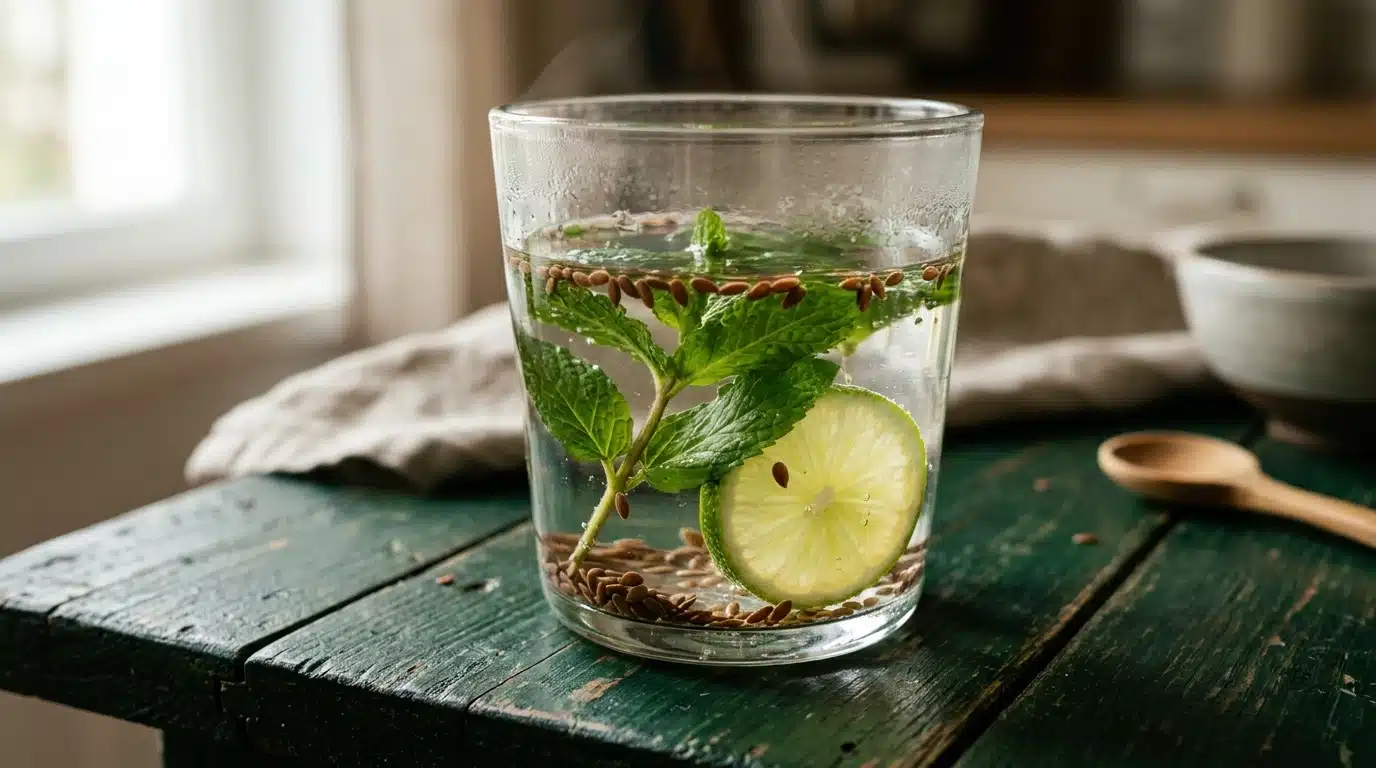
- Hydration with Mucilage: Start your day with a large glass of warm water infused with soaked flaxseeds or chia🌿 ChiaMateria Medica Clinical Profile: Click to explore Boericke keynotes, symptoms, modalities, and dosage guidelines. seeds. The gel-like mucilage naturally lubricates the intestinal walls and softens the stool without acting as a harsh stimulant.
- Increase Soluble Fiber: Gradually incorporate more soluble fiber into your meals. Foods like oats, apples, pears, and Psyllium Husk🌿 Psyllium HuskMateria Medica Clinical Profile: Click to explore Boericke keynotes, symptoms, modalities, and dosage guidelines. help form a soft, bulky stool that is easy for the colon to move.
- Magnesium🌿 MagnesiumMateria Medica Clinical Profile: Click to explore Boericke keynotes, symptoms, modalities, and dosage guidelines.-Rich Foods: Magnesium naturally draws water into the colon. Incorporate dark leafy greens, pumpkin🌿 PumpkinMateria Medica Clinical Profile: Click to explore Boericke keynotes, symptoms, modalities, and dosage guidelines. seeds, and almonds into your diet.
- Postural Correction: Elevating your feet on a small stool while on the toilet changes the anorectal angle, naturally relaxing the puborectalis muscle and facilitating smoother, strain-free evacuation.
- Consistent Routine: The bowels respond well to routine. Attempt to have a bowel movement at the same time every day, particularly 20 to 30 minutes after breakfast, taking advantage of the body’s natural gastrocolic reflex.
Note: Remedy selection should always be personalized. Consult a qualified homeopathic practitioner for an accurate assessment and a tailored treatment protocol.
Medical Disclaimer: This article is for education and does not replace diagnosis or treatment by your doctor. Do not stop prescribed medication without medical advice.
Ready to address your chronic digestive issues naturally? Book a consultation with our experienced homeopathic practitioners today.
Book a consultation with our experienced homeopathic practitioners today.
This article is for educational purposes only and not a substitute for professional medical advice, diagnosis, or treatment. Always seek the advice of your physician or other qualified health provider with any questions you may have regarding a medical condition.

Dr. Luqman Naseer
This article is for informational purposes and has been reviewed for medical accuracy according to classical homeopathic principles. Editorial Policy.