
Acid Reflux & GERD: Homeopathic Care & Natural Relief: Clinical Guide
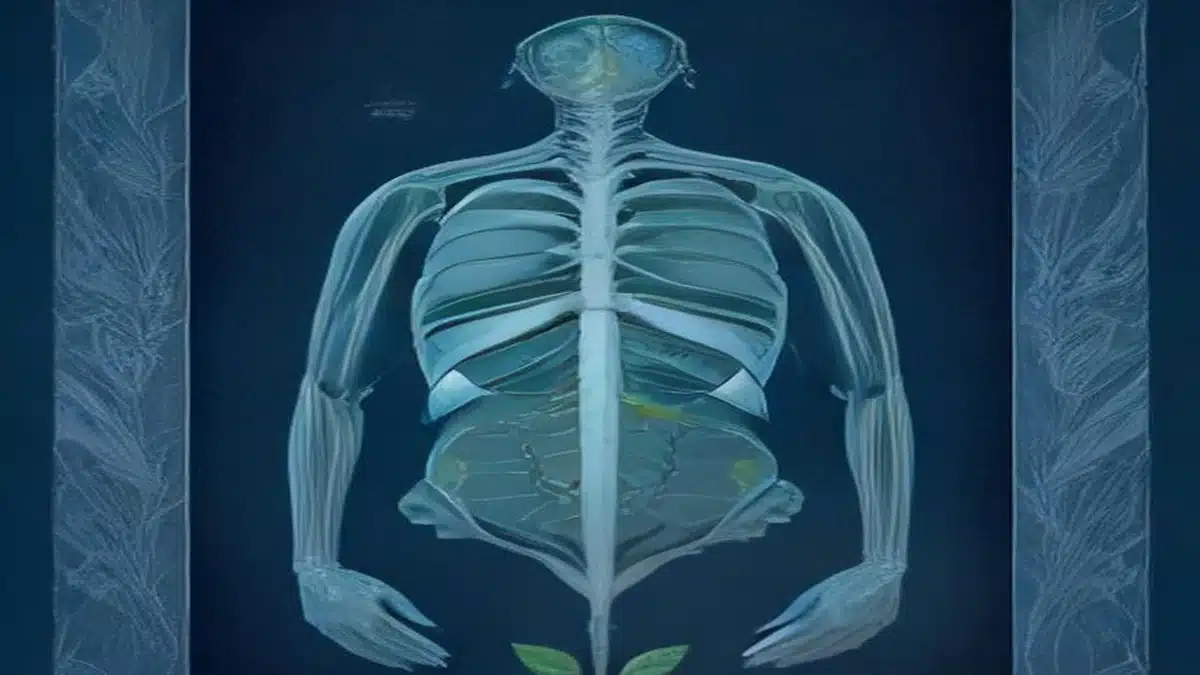
Gastroesophageal reflux disease🩺 Gastroesophageal Reflux DiseaseClinical Disease Treatment Profile: Read homeopathic remedies, dietary recommendations, and natural therapeutic options. (GERD) and recurrent acid reflux present significant clinical challenges in modern clinical practice. Marked by the backward flow of gastric acid, pepsin, and occasionally bile into the vulnerable mucosal lining of the esophagus, these conditions cause distress ranging from retrosternal pyrosis (heartburn) to atypical respiratory symptoms. While conventional approaches predominantly utilize pharmacological acid suppression, complementaryAssisting or completing remedyA remedy that naturally follows and completes the action of another remedy, helping it work better. and homeopathic frameworks focus on constitutional tendencies, enteric motility, and neuro-autonomic regulation.
Understanding the Pathophysiology of GERD and Reflux
The primary barrier preventing gastric contents from entering the esophagus is the lower esophageal sphincter (LES), an intricate neuromuscular zone supported by the crural diaphragm. Reflux episodes typically occur during transient lower esophageal sphincter relaxations (TLESRs), which are unprovoked by swallowing. Over time, recurring exposure to corrosive gastric secretions compromises the esophageal epithelium, producing microscopic or macroscopic mucosal breaks, chronic inflammation, and in advanced presentations, metaplastic changes.
Modern clinical evaluation must also distinguish between true hyperchlorhydria (excessive hydrochloric acid production) and functional dyspepsiaIndigestion or upper abdominal discomfortDiscomfort or pain in the upper abdomen, often associated with nausea, bloating, heartburn, or acid reflux. or hypochlorhydria (inadequate acid secretion). In hypochlorhydria, delayed gastric emptying and impaired breakdown of proteins lead to microbial fermentation, intra-abdominal pressure elevation, and mechanical forcing of the LES. Thus, indiscriminately neutralizing stomach acid does not always address the root physiological impairment and may alter nutrient absorption downstream, particularly of vitamin B12🌿 Vitamin B12Materia Medica Clinical Profile: Click to explore Boericke keynotes, symptoms, modalities, and dosage guidelines., Magnesium🌿 MagnesiumMateria Medica Clinical Profile: Click to explore Boericke keynotes, symptoms, modalities, and dosage guidelines., and elemental Calcium🌿 CalciumMateria Medica Clinical Profile: Click to explore Boericke keynotes, symptoms, modalities, and dosage guidelines..
The Homeopathic Perspective on Upper Digestive Distress
Homeopathic medicine approaches gastrointestinal disorders by evaluating the systemic totality of symptoms rather than treating the stomach in isolation. The enteric nervous system—often termed the “second brain”—shares extensive bidirectional signaling pathways with the central nervous system via the vagus nerve. Emotional distress, chronic sympathetic activation, circadian misalignment, and dietary stressors all alter gastrointestinal motility, mucosal perfusion, and secretory tone.
In classical and clinical homeopathy, individualized assessment identifies the unique symptom picture displayed by the patient: the timing of discomfort, the exact sensory character of the pain (burning, aching, constriction), thermal preferences, and emotional states. The objective is to administer a single, well-indicated substance derived from natural sources that matches the patient’s individual susceptibility, thereby stimulating the body’s self-regulatory feedback loops and promoting functional equilibrium.
Core Homeopathic Remedies for Acid Reflux and GERD
The following five remedies have extensive clinical documentation in homeopathic materia medicaEncyclopedia of homeopathic remediesA comprehensive body of collected knowledge describing the origin, preparation, and detailed symptom profiles of healing substances. for their affinity toward esophageal and gastric dysregulation. Proper remedy selection requires matching the individual’s specific symptoms, triggers, and relief patterns.
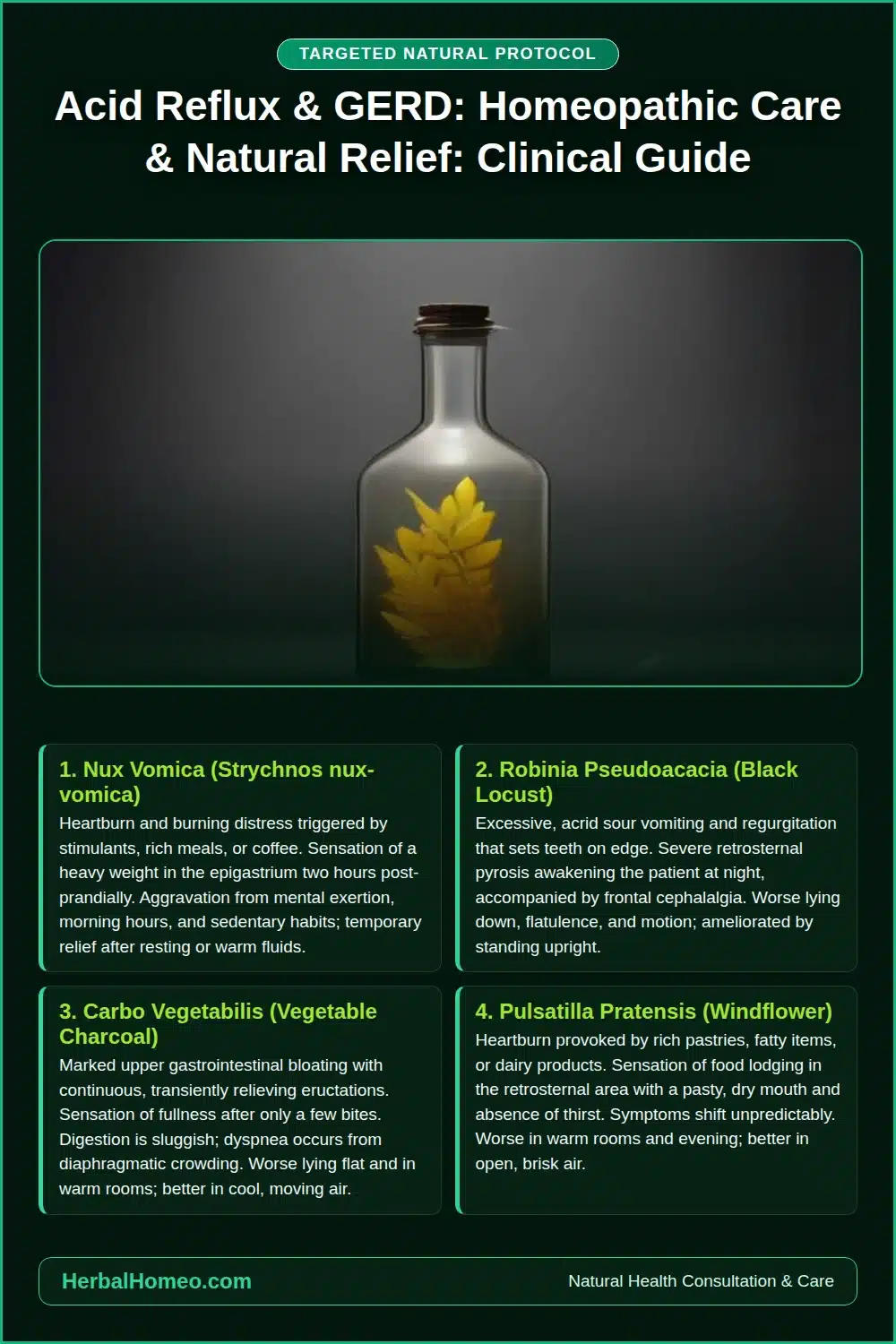
1. Nux Vomica (Strychnos nux-vomica)
Clinical Focus: Digestive overload, toxic overindulgence, and stress-induced spasm.
Nux Vomica is widely indicated in patients who experience digestive complaints directly secondary to a sedentary lifestyle, high-intensity mental work, and the frequent use of stimulants such as coffee, tobacco, alcohol, and spicy condiments. The primary presentation involves bitter🌿 BitterMateria Medica Clinical Profile: Click to explore Boericke keynotes, symptoms, modalities, and dosage guidelines. or sour eructations, nauseous sensations in the morning, and the feeling of a heavy weight or stone resting in the epigastrium several hours after eating.
ModalitiesFactors that make symptoms better or worseEnvironmental influences (like temperature, weather, rest, motion, or time of day) that modify symptoms.: AggravationWorsening of symptomsAn increase in severity or intensity of symptoms, often caused by environmental factors or after taking a remedy. occurs in the early morning, after mental exertion, after rich or stimulating food, and in cold conditions. AmeliorationImprovement or relief of symptomsA change or modification that results in feeling better, or a decrease in symptom severity. is observed after a brief nap, warmth, and quiet rest.
2. Robinia Pseudoacacia (Black Locust)
Clinical Focus: Pathological hyperacidity and nighttime burning regurgitationBackward flow of blood or fluidsThe casting up of undigested food from the stomach, or the backward flow of blood through a defective heart valve..
Robinia is renowned for states where excessive, highly acrid hydrochloric acid is the hallmark symptom. The patient experiences intense, scalding eructations that feel caustic to the throat and mouth, often described as setting the teeth on edge. The reflux is frequently accompanied by a dull, throbbing frontal headache or gastralgia that wakes the individual from sleep. Vomiting of intensely sour fluids is common during flare-ups.
Modalities: Symptoms notably worsen at night, when lying horizontally, and after eating. Relief is obtained by remaining upright, gentle motion, and consuming small amounts of bland warm liquids.
3. Carbo🌿 CarboMateria Medica Clinical Profile: Click to explore Boericke keynotes, symptoms, modalities, and dosage guidelines. Vegetabilis (Vegetable Charcoal)
Clinical Focus: Gastric atony, excessive fermentation, and diaphragmatic crowding.
Carbo Vegetabilis corresponds to digestive systems exhibiting marked sluggishness, delayed gastric emptying, and fermentation of food before digestion can conclude. The upper abdomen becomes severely distended, generating mechanical pressure upward toward the chest that can provoke shortness of breath. Eructations are frequent, explosive, and provide transient relief, only for the distension to quickly rebuild.
Modalities: Worse from consuming fatty foods, butter, rich gravy, lying down, and in warm, close environments. Better from the release of flatus or eructations and sitting near open windows or fresh moving air.
4. Pulsatilla Pratensis (Windflower)
Clinical Focus: Lipid intolerance, shifting digestive complaints, and emotional sensitivity.
Pulsatilla is well suited for individuals who develop reflux and heartburn after ingesting rich, fatty foods, cream, pastries, or pork. A defining keynote is complete thirstlessness despite a dry, sticky mouth. The symptom profile is variable: one day the patient describes acid regurgitation, while the next day they experience flatulent distension or bitter waterbrash. Psychologically, patients presenting this picture are mild-mannered, seek reassurance, and dislike stuffy environments.
Modalities: Marked aggravation in warm rooms, in the evening🌿 EveningMateria Medica Clinical Profile: Click to explore Boericke keynotes, symptoms, modalities, and dosage guidelines., and after heavy dietary fats. Marked improvement from gentle walking outdoors in cool, open air and cold food or drinks.
5. Iris🌿 IrisMateria Medica Clinical Profile: Click to explore Boericke keynotes, symptoms, modalities, and dosage guidelines. Versicolor (Blue Flag)
Clinical Focus: Whole-tract burning, hypersecretion, and gastro-hepatic headaches.
Iris Versicolor has a potent affinity for the gastrointestinal mucosa, from the oral cavity to the lower bowel, with distinctive involvement of the pancreas and biliary system. The patient reports a burning sensation along the entire alimentary canal, accompanied by profuse, ropey salivation, acrid bilious vomiting, and severe retrosternal heat.🌿 Heat.Materia Medica Clinical Profile: Click to explore Boericke keynotes, symptoms, modalities, and dosage guidelines. It is frequently indicated when reflux episodes co-occur with periodic sick headaches that begin with visual disturbances.
Modalities: Aggravated periodically (such as weekly or on weekends), during rest, and after sweets or cold food. Ameliorated by continued gentle movement.
Integrative Clinical Strategies for GERD Management
Homeopathic care yields the best clinical outcomes when supported by evidence-informed dietary, mechanical, and lifestyle modifications that reduce physical strain on the lower esophageal sphincter:
- Circadian Meal Timing: Maintain an interval of at least three to four hours between the final meal of the day and reclining. Late-night eating increases intragastric volume during sleep, facilitating nocturnal reflux events.
- Mechanical Positioning: Elevate the head of the bed by six to eight inches using structural risers under the bed frame rather than stacking pillows, which can flex the torso and increase intra-abdominal pressure.
- Diaphragmatic Breathing: Practicing slow, diaphragmatic breathing for five to ten minutes before meals strengthens the crural diaphragm—the external muscular support of the LES—and stimulates vagal parasympathetic tone essential for coordinated peristalsis.
- Identification of Individual Food Triggers: Common irritants include spearmint, Peppermint🌿 PeppermintMateria Medica Clinical Profile: Click to explore Boericke keynotes, symptoms, modalities, and dosage guidelines., chocolate, excessive caffeine🌿 CaffeineMateria Medica Clinical Profile: Click to explore Boericke keynotes, symptoms, modalities, and dosage guidelines., and deep-fried items. These compounds can promote smooth muscle relaxation of the sphincter, permitting retrograde fluid flow.
Safety Considerations and Clinical Governance
While uncomplicated acid reflux is common, persistent reflux can lead to clinically significant complications, including erosive esophagitis🩺 EsophagitisClinical Disease Treatment Profile: Read homeopathic remedies, dietary recommendations, and natural therapeutic options., peptic strictures, and Barrett’s esophagus. Red-flag symptoms necessitate prompt medical evaluation: dysphagiaDifficulty in swallowingA medical term for difficulty or discomfort in swallowing food or liquids from the mouth to the stomach. (difficulty swallowing), odynophagia (painful swallowing), unexplained weight loss, persistent hematemesis (vomiting blood), or melena (black, tarry stools). Chest pain radiating to the left arm, neck, or jaw must always be treated as a cardiac emergency until proven otherwise.
This article is for education and does not replace diagnosis or treatment by your doctor. Do not stop prescribed medication without medical advice.
Personalized Care and Consultation
Because gastrointestinal balance depends on complex neural, hormonal, and individual factors, lasting progress requires a carefully targeted, constitutional strategy. An individualized evaluation analyzes your full clinical history, stress dynamics, and modality patterns to design a comprehensive natural care protocol.
To take the next step toward digestive balance and holistic health, schedule your professional clinical consultation today.
This article is for educational purposes only and not a substitute for professional medical advice, diagnosis, or treatment. Always seek the advice of your physician or other qualified health provider with any questions you may have regarding a medical condition.

Dr. Luqman Naseer
This article is for informational purposes and has been reviewed for medical accuracy according to classical homeopathic principles. Editorial Policy.